How Failing Gutters Cause Siding Damage
When we think about protecting our homes from the elements, the roof usually gets all the credit. It takes the brunt of the harsh weather, shielding the interior from rain, snow, and wind. However, your roof relies heavily on a supporting cast to keep your home truly safe and dry. One of the most critical components of this system is your gutters. As homeowners in Miamisburg and throughout the region know all too well, the weather in the Buckeye state can turn on a dime. We experience vibrant autumns that drop heavy leaves, snowy winters that test structural limits, and torrential spring downpours that move incredible volumes of water.
When your gutters are clear and functioning correctly, they seamlessly channel this water away from your home's exterior and foundation. But when they fail, the consequences can be disastrous. While many people worry about foundation cracking or flooded basements, there is another silent victim of gutter failure: your siding. Overflowing gutters can systematically destroy your home's exterior cladding, leading to significant structural damage and expensive repairs.
At Morales Home Improvements, we frequently encounter homeowners who are shocked to discover that their siding issues did not originate from the siding itself, but rather from a failing gutter system overhead. In this comprehensive guide, we will explore exactly how overflowing gutters cause siding rot, what signs of water damage behind vinyl siding you need to watch out for, and the most effective ways of preventing gutter overflow damage to exterior walls.
The Ripple Effect of Gutter Overflow
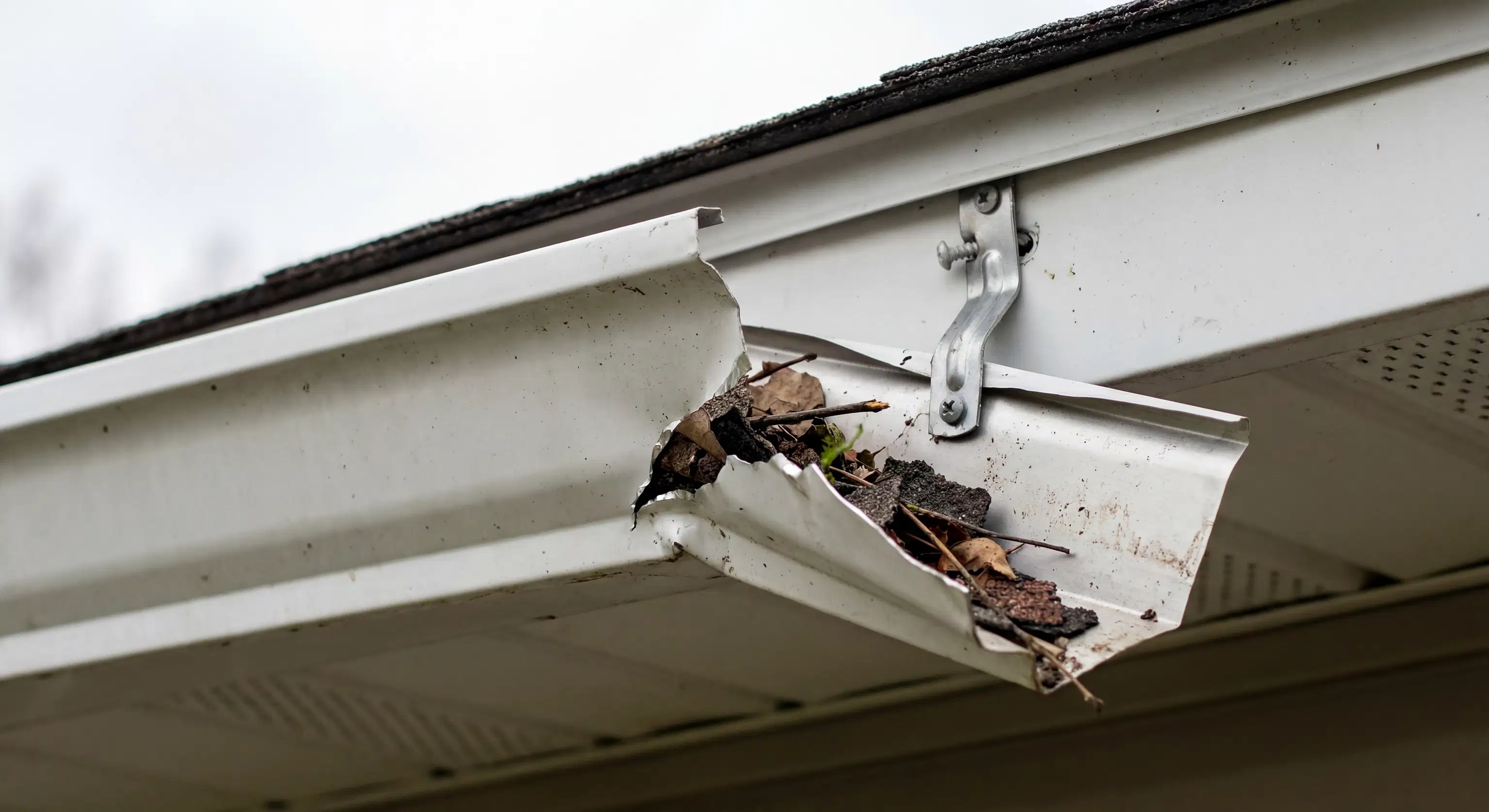
To understand how failing gutters damage your home's exterior, it is helpful to visualize what happens during a heavy rainstorm. A standard residential roof collects hundreds of gallons of water during a typical downpour. Gutters are engineered to catch this massive volume of water and route it safely to the ground. However, when gutters are clogged with leaves, twigs, and debris, or when they are improperly pitched or sagging, the water has nowhere to go.
As the water pools and rises, it eventually spills over the front or back edges of the gutter trough. When water washes over the back of the gutter, it runs directly down your fascia boards and behind your siding. Over time, this constant exposure to moisture breaks down the protective barriers of your home.
Homeowners often wonder how overflowing gutters cause siding rot. The process is slow but destructive. Most modern siding materials, including vinyl, are designed to shed water from the outside. They are not watertight from the inside or the back. When water constantly cascades behind the panels, it saturates the wood sheathing and house wrap underneath. Wood that remains trapped in a damp, dark environment eventually succumbs to wood rot, compromising the structural integrity of your walls.
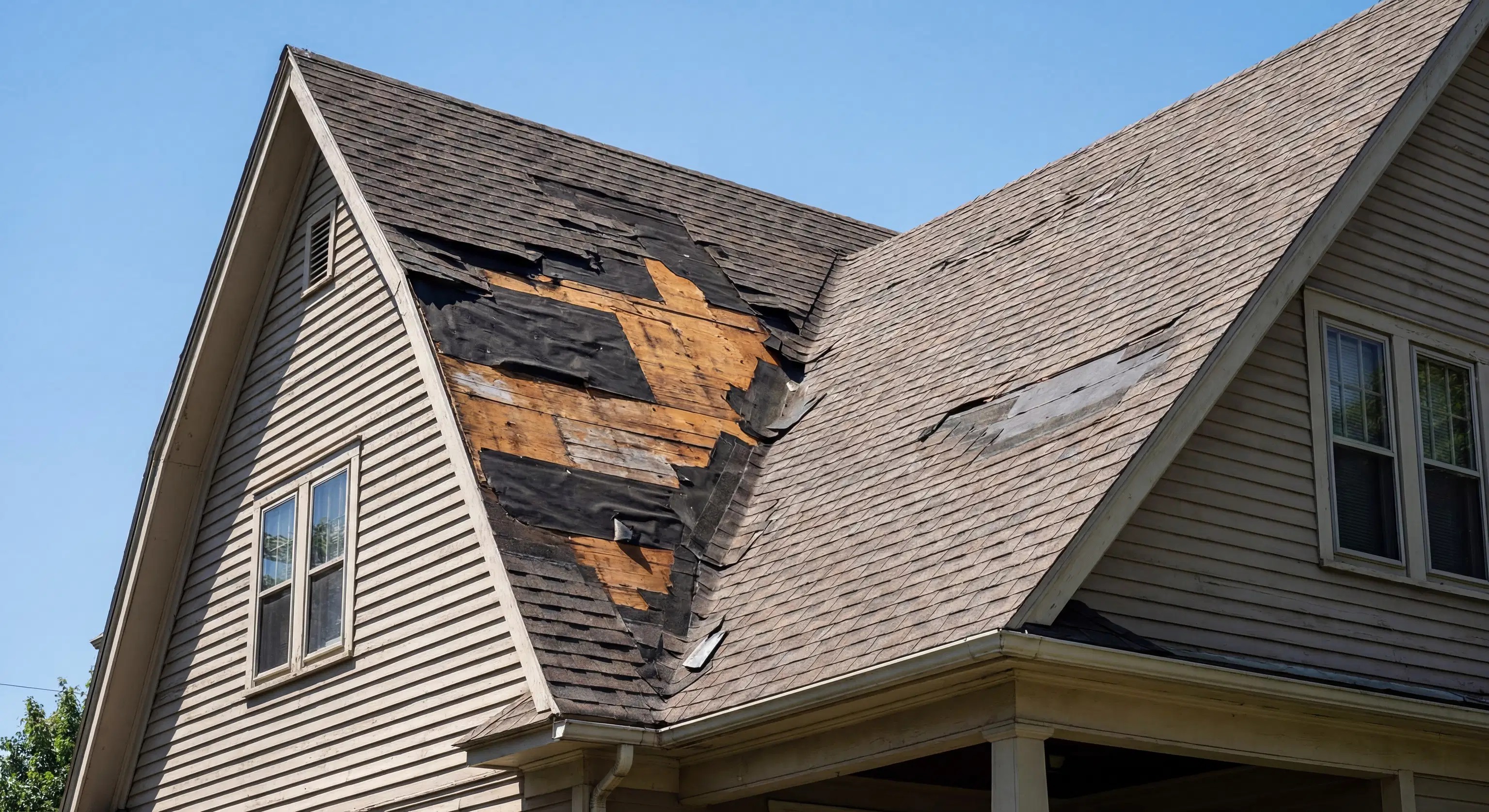
Because this damage occurs behind the visible exterior of your home, it can go unnoticed for months or even years. This is why routine exterior inspections are so vital. When structural rot takes hold, a simple cleaning is no longer enough; homeowners often find themselves needing comprehensive siding repair & replacement to restore the safety and appearance of their property.
Identifying Hidden Moisture Damage
One of the biggest challenges in maintaining a home's exterior is knowing what to look for before the damage becomes catastrophic. Recognizing the early signs of water damage behind vinyl siding can save you from invasive structural repairs and ballooning costs.
So, what should you look for? Start by inspecting the areas of siding directly beneath your gutters, especially near the corners where downspouts are located or where two rooflines meet. If you notice the siding panels beginning to warp, buckle, or pull away from the house, this is a major red flag. Vinyl siding expands and contracts with temperature changes, but dramatic warping is often a sign that the wood sheathing underneath has swollen with moisture.
Another indicator is peeling paint or discoloration on your home's interior walls, directly opposite the exterior siding. If water is penetrating the siding and soaking the insulation, it will eventually seep through to your drywall. You might also notice a persistent musty odor indoors or the visible growth of mold and mildew on the exterior siding itself. While a little surface algae can be normal in shaded areas, heavy mold growth directly under a gutter line suggests a chronic moisture problem.
Finally, if you press gently on your siding and it feels soft, spongy, or gives way easily, the wood underneath has likely rotted. At this stage, professional intervention is critical. Working with fully insured and licensed roofing companies ensures that the underlying structural issues are repaired safely and up to strict building codes, rather than just covering up the problem with new aesthetic panels.
Advanced Solutions for Protecting Your Exterior
The good news is that preventing gutter overflow damage to exterior walls is entirely possible with proactive maintenance and the right infrastructure. The first and most obvious step is keeping your gutters clean. Scheduling professional cleanings at least twice a year—once in the late spring and once after the leaves fall in autumn—ensures that water can flow freely.
However, cleaning alone is not always enough, especially if your gutters are aging, undersized, or improperly installed. If your gutters constantly overflow despite being clear of debris, they may not be large enough to handle the volume of water your roof sheds, or they may have lost their proper pitch.
Industry trends are increasingly pointing toward climate-resilient home upgrades. With weather patterns bringing heavier, more concentrated rainfall, upgrading to high-capacity, seamless gutter systems is a smart investment. Seamless gutters drastically reduce the chance of leaks, as they only have joints at the corners and downspouts. Professional gutter installation ensures that the pitch is perfectly calibrated to handle heavy downpours, moving water swiftly away from your home's vulnerable siding and foundation.
Additionally, if your current siding has already been compromised by years of overflow, modernizing your exterior with professional siding installation can greatly improve your home's durability and energy efficiency. Today's siding materials offer better insulation and enhanced resistance to the elements, providing a beautiful, low-maintenance protective shell for your home. When undertaking these projects, prioritizing transparent pricing and reliable communication from your contractor helps ensure the project stays within budget and meets your expectations.
Comprehensive Care for Your Home's Envelope
Your roof, gutters, and siding do not operate independently; they are an interconnected system designed to keep the elements out and the comfort in. When one piece of this puzzle fails, the others are forced to bear the burden, often leading to cascading damage. By understanding how failing gutters impact your siding, you can take the necessary steps to maintain your home's exterior and protect its long-term value.
At Morales Home Improvements, we believe in providing honest assessments, quality craftsmanship, and reliable service to our neighbors throughout the Dayton and Cincinnati areas. We understand that home repairs can be daunting, which is why we focus on delivering accurate estimates and durable solutions that give you peace of mind.
If you have noticed signs of water damage, or if you simply want to ensure your gutters are prepared for the next heavy storm, do not wait for the problem to escalate. Reach out to our experienced team today. Visit our Contact Us page to schedule a comprehensive exterior inspection, and let us help you keep your home safe, dry, and beautiful for years to come.